

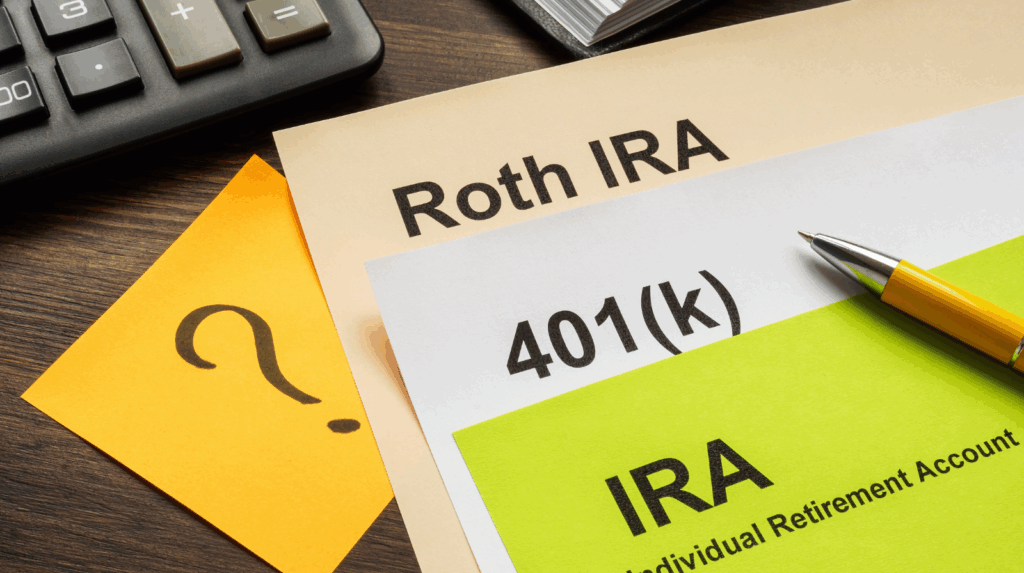

You’ve made the decision to protect your retirement from inflation and market volatility. You’ve chosen a reputable Gold IRA company. Now comes the most critical logistical step: moving the money safely.
The process of transferring funds from your existing retirement account (like a 401(k) or traditional IRA) into a Gold IRA is called a rollover. If you get this process wrong, you could face immediate taxes and costly penalties.
We are here to simplify the process. This guide provides a clear, step-by-step plan to ensure your rollover is seamless, tax-free, and worry-free.
Key Takeaways
- The Golden Rule: The money must NEVER touch your personal bank account. This is essential to maintain the tax-advantaged status.
- The Safest Method: Always use a trustee-to-trustee transfer, where the funds move directly between the custodians (banks).
- The Penalties are Severe: Getting the rollover wrong triggers two penalties: ordinary income tax on the entire amount, plus a 10% early withdrawal penalty if you are under age $59\frac{1}{2}$.
- Who You Need: The process involves three parties: your Old Custodian, your New Custodian, and your Gold Dealer.
Who Does What? The 3 Key Roles in Your Gold IRA
To feel in control, it helps to understand who the three key players are in this specialized process.
|
Role
|
Responsibility
|
Who They Are
|
|---|---|---|
|
The Client (You)
|
Initiates the rollover and chooses the metal.
|
The owner of the funds.
|
|
The Custodian
|
||
|
The Dealer
|
Sells and sources the physical metal.
|
The Gold IRA Company you choose (e.g., Augusta, Goldco).
|
Your Pre-Rollover Checklist (Before You Call)
Completing these two steps before initiating the call with your old 401(k) provider will save you weeks of headaches.
- [ ] 1. Open Your Account First: You must have the new Self-Directed IRA (SDIRA) established with your new Custodian before you request the money be transferred.
- [ ] 2. Know the Contact Info: Have the official name and phone number of your old 401(k) administrator (your current employer’s HR or benefits department) and your new Custodian ready.
Step 1: Open Your New Self-Directed IRA (SDIRA)
Use this simple checklist when talking to your dealer to ensure your purchase is compliant and safe for storage.
The first mandatory step is establishing the new home for your funds. A Gold IRA requires a special type of account called a Self-Directed IRA (SDIRA).
- Choose a Custodian: You must select an IRS-approved custodian who will administer the new account. Your Gold IRA company (the dealer) will usually have preferred partners and handle the paperwork.
- Complete the Forms: The New Custodian will require a simple application to open the SDIRA in your name.
- Submit the Rollover Request: You will sign paperwork instructing your Old Custodian (e.g., Fidelity, Vanguard, or your old 401(k) administrator) to release the funds to the new SDIRA Custodian.
Step 2: Execute the Trustee-to-Trustee Transfer (The Safest Way)
This is the most critical step to avoid taxes and penalties. There are two types of rollovers, but you should always choose the direct transfer.
|
Rollover Method
|
The Process
|
The Risk
|
|---|---|---|
|
Trustee-to-Trustee (Recommended)
|
The money moves electronically or via check directly from your old account to your new custodian. You never touch the funds.
|
Zero Tax Risk. This is the safest way to ensure compliance.
|
The Golden Rule: Ensure your rollover instructions specify a direct transfer to the new custodian. This keeps the money within the tax-sheltered system at all times.
The Tax Penalty Breakdown
If you handle the rollover incorrectly (especially the 60-Day method), you face two serious financial consequences:
- Ordinary Income Tax: The entire amount of the rollover is added to your income for the year and taxed at your regular income tax rate.
- 10% Early Withdrawal Penalty: If you are under the age of $59\frac{1}{2}$, you must pay an additional $10\%$ penalty on the entire amount.
Example: If you improperly roll over $50,000 at age 55, you could owe $10,000 in income tax plus a $5,000 penalty. This mistake alone can cost you 30% of your savings
Step 3: Buy Your Physical Metal
Once the new SDIRA Custodian confirms receipt of the funds (usually 1–3 weeks after Step 2), your money is ready to be used.
- Select Your Metal: You now work with your Gold Dealer to decide which IRS-approved physical metals (gold, silver, platinum) you want to purchase. Remember, the metal must meet strict IRS purity rules (e.g., 99.5% fine for gold).
- Purchase with Funds: The dealer will instruct the new custodian to wire the funds to cover the purchase.
- Audit the Price: Before authorizing the purchase, always audit the dealer’s final price against the current spot price. This is your final check against the dealer markup.
Step 4: Secure Your Storage (The Final Mandate)
The dealer will not ship the metal to your house. This is mandatory for legal compliance.
- Ship to Depository: The dealer ships the physical metal directly from the mint or source to an IRS-approved, insured depository (like the Delaware Depository or Brinks).
- Confirm Storage: You will receive confirmation from the Custodian that the metal has been received, verified, and safely stored under your name.
Your rollover is now complete, and your retirement savings are protected by a physical, tangible asset.
Frequently Asked Questions (FAQ)
The entire process, from opening the account to the metal being safely stored, typically takes 2 to 6 weeks. It varies depending on how quickly your old 401(k) administrator processes the request.
Yes. You are not required to roll over your entire retirement account. You can move only a portion of your funds into the Gold IRA, leaving the remainder in your traditional accounts.
Most reputable Gold IRA companies require a minimum initial rollover amount, usually between $20,000 and $50,000. This ensures the account balance is large enough to absorb the initial setup and annual storage fees efficiently.
Yes. The process is the same, but the funds retain their Roth status, meaning future distributions of the original contributions will be tax-free.
If you choose the 60-day rollover and fail to deposit the funds into the new account by the deadline, the entire amount is considered a taxable distribution, and you will owe ordinary income tax on it. If you are under $59\frac{1}{2}$, you also pay a 10% penalty. This is why the direct transfer is safer.